

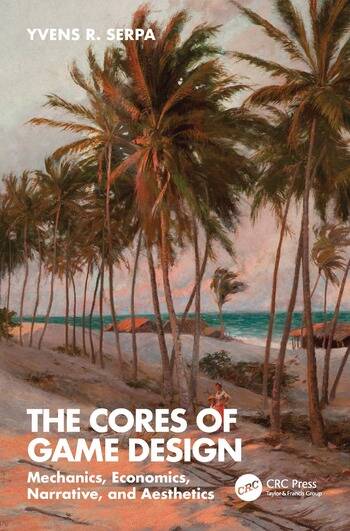
The Cores of Game Design is my first game design book, published by the CRC Press.
The book considers the four essential cores of game design: Mechanics, the interactive elements that allow players to be part and interact with the game itself; Economy, the resources and numerical concepts that will enable players to evaluate and consider the options in the game, creating strategy, risk, and fun; Narrative, the textual features that enable players to create and generate meaning for the game and its parts; and the Aesthetics, the audiovisual elements that allow players to experience the game through their senses and feelings.
The book discusses all four essential cores and how to design games by using each one as a starting point. It also discusses how each one is connected and can be understood as a valuable tool to elevate a game’s design. It follows a practical approach to how we can implement the game design and development process by being prototype-focused, user-centred, and lean.
This book will be of great interest to students, indie game developers, and aspiring early-career designers looking to hone their game design craft.
Why is it awesome?
- Written from an indie game developer’s perspective.
- Based on practical activities and development experiences in creative development and team management.
- Easy and accessible language, but with a hint of academic research and in-depth theory on game design.
- Fueled by interviews with indie game designers from around the globe.
- Practical advice on how to find your own game design process and tools.
What does it cover?
- How to Start Game Designing: What are the initial perspectives and discussions that might guide you during the initial moments? What is the game’s goal? What is its message? Does it need to be fun?
- Planning: How to approach planning from an empathic perspective and how to overcome common issues while planning and scoping your project.
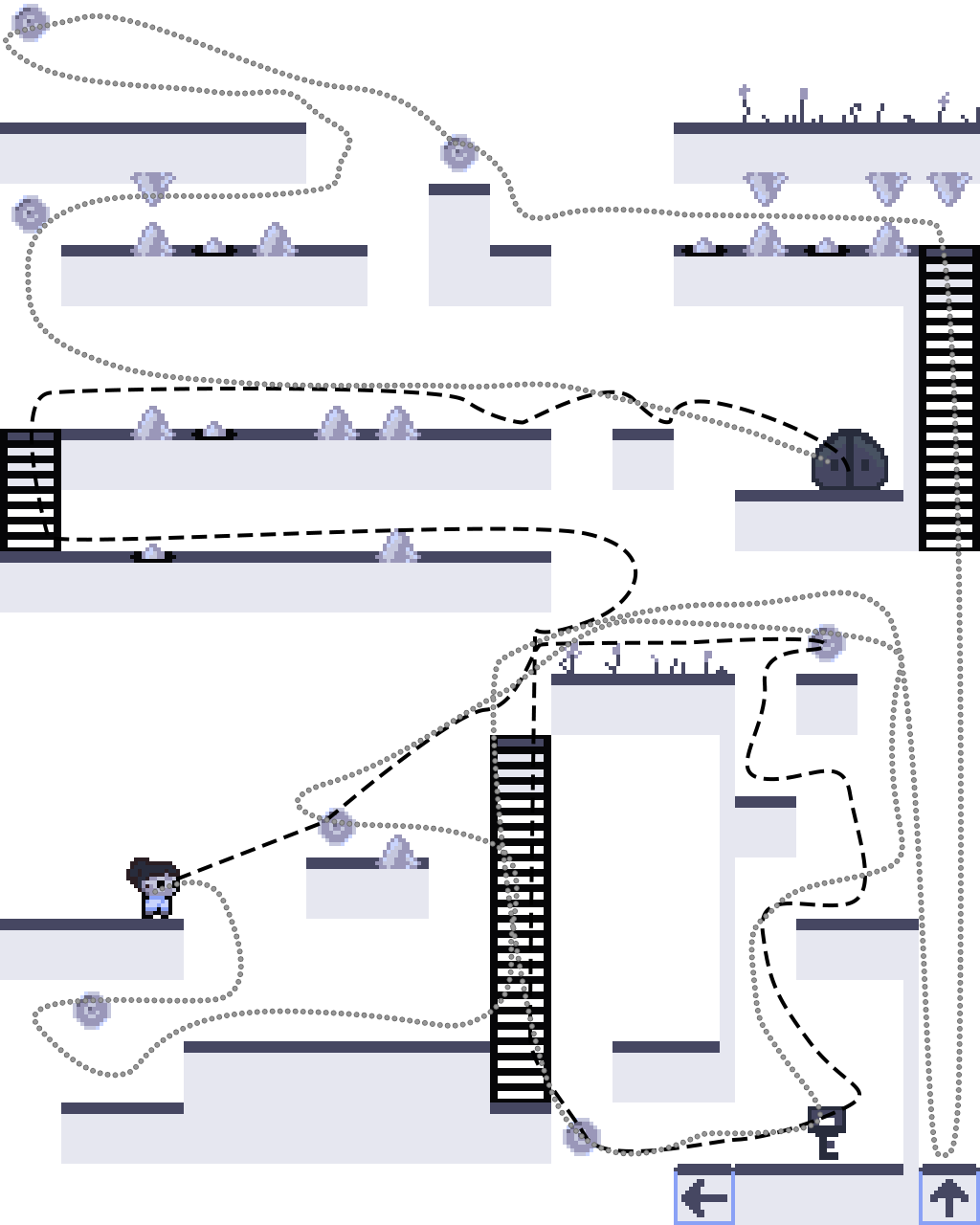
- Starting with Mechanics: What are mechanics, and how do you work with them? What is the difference between a weak and a strong game mechanic? How to tackle mechanics from a Player, Level, and Game perspective to achieve better and more interesting variations.
- Player Motivation: What are the factors that influence players’ motivation and engagement? What makes people pick up a certain game or engage in a certain mechanic or dynamic?
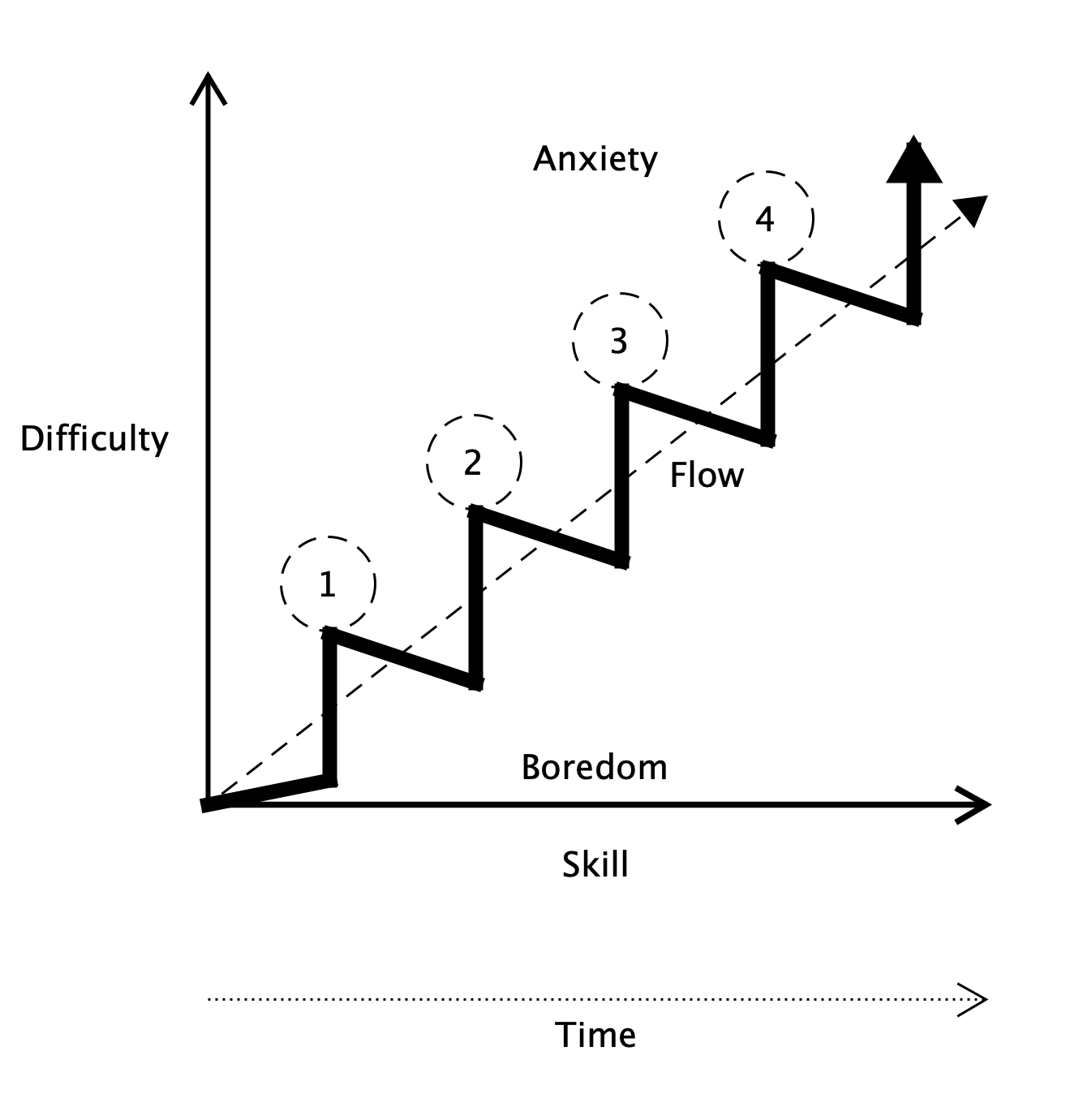
- Level Design: What is level design beyond organising space? How can we explore the balance between challenges and breaks to achieve a good game flow?
- Starting with Economy: What is a game’s economy? What are the resources that govern the game elements and create risk and strategy?
- Game Economics: How do we plan, create, and balance game economies, as well as their resources and mechanisms? How to explore randomness and chance to amplify the game possibilities and strategies.
- Resource Values: What are the main resources in a game, and how can we drive the game’s economy and goal by studying their relationships? What do players prioritise and why?
- Starting with Narrative: What is a game’s message? What does a game imply explicitly and implicitly? How do we tell our stories from different approaches and for different audiences?
- Story Structures: How do we organise our stories, and what drives them? How do we structure our plot points and story beats? How do we handle stories with and without main conflicts?
- Moral and Ethics: What are the moral axes of our game entities? What morals guide the main message of the game? How do we deal with the ubiquity of violence and violent mechanics in games, and how much of it do we want to use instead of copy?
- Starting with Aesthetics: What is our game’s mood? What feeling do our games arouse in our players, and how does it elevate the game’s goal? Which aesthetic elements empower the game’s elements?
- Audiovisual Language: What is the language our game teaches the players, and how can we establish it? What audiovisual elements can be used to achieve a certain mood better? What is Gestalt, and how to use it?
- UI and UX: What is the difference between UI and UX? How are both used in game design? What are important principles to keep in mind to achieve a good and coherent user experience?
And more!
 Dagon Graphics